


강남연세라인 인상학 화나 보이는 인상의 원인은 무엇일까요?
페이지 정보

본문
이름 : 최고관리자
연락처 :
안녕하세요
강남연세라인 안성환 대표원장입니다.

"화났어요?"
"무슨 안 좋은 일 있으세요?"
평소 아무렇지 않은 표정인데도 이런 말을 자주 듣는 분들이 있습니다.
실제로 화가 난 것도 아닌데 첫인상만으로 오해를 받다 보면
억울하게 느껴질 수도 있는데요.
물론 사람의 인상은 성격만으로 결정되는 것은 아닙니다.
눈매와 표정 습관, 얼굴형, 피부 탄력 등 여러 요소가
함께 작용하면서 전체적인 분위기를 만들게 됩니다.
특히 인상학에서는 얼굴의 균형과 하관의 형태가 첫인상에 영향을 줄 수 있는
요소 가운데 하나라고 이야기합니다.
입매가 아래로 처져 보이거나 턱선이 흐려지면 실제 성격과 관계없이
강한 인상이나 피곤한 인상으로 받아들여지는 경우도 있기 때문입니다.
오늘은 강남연세라인에서 인상학적인 관점으로 화나 보이는 인상은 왜 생기는지,
그리고 하관의 변화가 얼굴 이미지에 어떤 영향을 줄 수 있는지 알아보겠습니다.

실제 감정보다 얼굴의 구조적인 특징 때문에
그렇게 보이는 경우도 있습니다.
사람을 처음 만났을 때 우리는 표정보다
얼굴의 전체적인 분위기를 먼저 받아들이는 경우가 많습니다.
그래서 실제 기분과는 관계없이 "화났어요?",
"무슨 일 있어요?"라는 말을 자주 듣는 분들도 있습니다.
인상학에서는 이러한 첫인상이 눈매뿐 아니라 입매와 턱선,
얼굴의 균형에도 영향을 받는다고 이야기합니다.
특히 무표정일 때 입꼬리가 아래로 향하거나 하관이 무거워 보이면
실제 성격과 관계없이 강한 인상으로 받아들여질 수 있습니다.
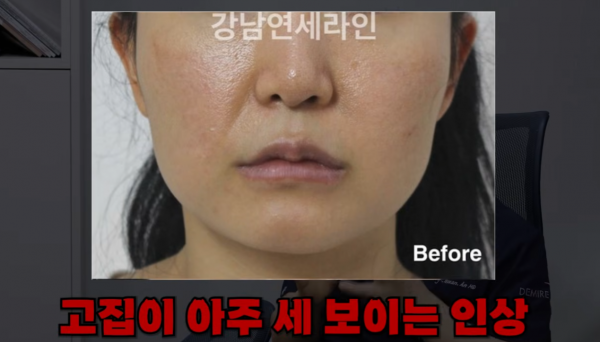
하관이 무겁거나 입매가 아래로 향해 있으면
강한 인상을 주는 경우가 있습니다.
인상학에서는 하관이 얼굴 이미지를
결정하는 중요한 요소 가운데 하나라고 설명합니다.
입을 꽉 다무는 습관이 지속되거나 입 주변 주름이 깊어지고,
턱선이 아래로 무너지면 얼굴이 무거워 보이면서
고집이 세 보이거나 심술궂은 인상을 주는 경우가 있습니다.
물론 이러한 이미지는 성격을 의미하는 것이 아니라
얼굴 구조와 노화 변화가 복합적으로 나타난 결과일 수 있습니다.

Q. 하관이 변하면 인상도 달라질 수 있을까요?
얼굴의 균형이 달라지면서 전체적인 분위기도 달라 보일 수 있습니다.
얼굴에서 하관이 차지하는 비중은 생각보다 큽니다.
입매와 턱선이 정돈되면 전체적인 얼굴 균형도 함께 달라 보일 수 있으며,
무표정에서도 부드러운 분위기를 주는 데 영향을 줄 수 있습니다.
인상학에서도 얼굴의 한 부분만 보기보다
전체적인 조화를 중요하게 보는 이유가 여기에 있습니다.
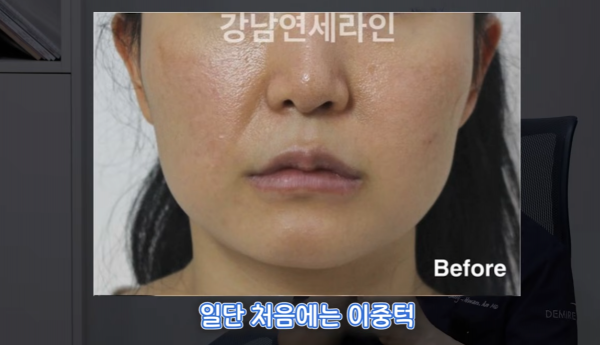
Q. 이런 경우에는 어떤 부분부터 확인하게 될까요?
하관이 무거워 보이는 원인이 무엇인지부터
확인하는 것이 중요합니다.
이중턱이나 지방량이 영향을 주는 경우도 있고,
피부 탄력이 감소하면서 얼굴선이 흐려지는 경우도 있습니다.
또한 조직의 처짐이 영향을 주는 경우도 있어
하나의 원인만으로 설명하기 어려운 경우가 적지 않습니다.
따라서 현재 얼굴선이 왜 무너져 보이는지를 먼저 확인한 뒤,
원인에 맞는 방향으로 접근하는 과정이 중요합니다.

먼저 얼굴선을 무겁게 만드는 원인이 지방인지,
처짐인지 확인하는 것이 중요합니다.
하관이 둔해 보이는 이유가 모두 같은 것은 아닙니다.
이중턱처럼 지방의 영향이 큰 경우도 있고,
피부 탄력이 감소하면서 턱선이 흐려진 경우도 있습니다.
이러한 경우에는 얼굴선을 무겁게 만드는 원인을 먼저 확인한 뒤,
지방 감소와 리프팅을 함께 고려하는 방향으로 접근하기도 합니다.
어떤 방법이 필요한지는 현재 얼굴 상태에 따라 달라질 수 있습니다.
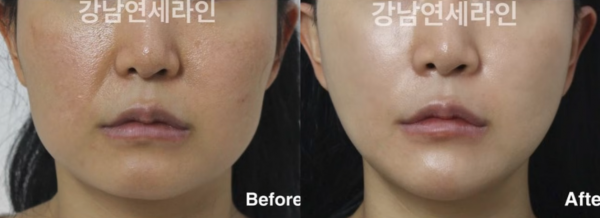
얼굴선이 정돈되면서 전체적인
인상이 한층 부드럽게 느껴질 수 있습니다.
하관이 정리되면 턱선이 이전보다 또렷하게 보이고
입매의 분위기도 달라질 수 있습니다.
또한 마리오네트 라인이나 턱 주변의 처짐이 완화되면서
얼굴 전체가 한층 정돈된 인상을 줄 수도 있습니다.
인상학적으로도 얼굴의 아래쪽 균형이 안정되면
첫인상이 이전보다 부드럽게 느껴지는 경우가 있습니다.

인상을 만드는 원인이 하나가 아닌 경우가 많기 때문입니다.
예를 들어 이 사례처럼 하관에는 지방과 피부 처짐이 함께 있었고,
입 주변에는 깊어진 주름도 동반되어 있었습니다.
이런 경우에는 한 가지 요소만 관리하기보다 얼굴선을
무겁게 만드는 여러 원인을 함께 고려하는 것이 중요합니다.
얼굴은 각 부위가 서로 영향을 주기 때문에 전체적인 균형을
함께 살펴보는 것이 자연스러운 인상 변화로 이어질 수 있습니다.

"좋은 인상"이란 특정 얼굴형이 아니라 얼굴 전체의 균형이
자연스러운 상태를 의미합니다.
인상학에서 이야기하는 좋은 인상은
특정 얼굴형을 의미하는 것이 아닙니다.
얼굴의 어느 한 부위만 눈에 띄기보다 전체적인 균형이 자연스럽게
어우러질 때 편안하고 부드러운 이미지를 주는 경우가 많습니다.
그래서 같은 고민이라도 어떤 사람은 턱선이, 어떤 사람은 볼륨이,
또 다른 사람은 피부 탄력이 더 중요한 요소가 될 수 있습니다.
강남연세라인에서는 얼굴의 한 부위만 보기보다
전체적인 균형과 피부 상태를 함께 확인하며 상담을 진행하고 있습니다.
인상 때문에 고민이 있었다면 단순히 시술을 결정하기보다
현재 얼굴의 특징과 원인을 먼저 확인해 보시기 바랍니다.
감사합니다.
Hello,
I'm Dr. Sung Hwan Ahn, Chief Director of Gangnam Yonsei Line Clinic.
"Are you upset?"
"Did something happen?"
Some people hear these questions surprisingly often—even when they're feeling perfectly fine.
Being misunderstood because of your facial appearance can be frustrating, especially when your expression doesn't reflect how you actually feel.
In reality, first impressions are influenced by much more than personality alone.
Your eyes, habitual facial expressions, facial shape, skin firmness, and overall facial balance all contribute to the impression you leave on others.
In the traditional concept of facial physiognomy, the balance of the face—particularly the lower face—is often considered one of the factors that can influence first impressions.
When the corners of the mouth naturally turn downward or the jawline loses definition, a person may appear stern, tired, or unapproachable regardless of their actual personality.
Today, I'd like to explore why some people naturally appear "angry" from the perspective of facial balance, and how changes in the lower face may influence overall facial impressions.
Q. Why Do People Keep Asking If I'm Angry When I'm Not?
Sometimes the answer lies in facial structure rather than emotion.
When we meet someone for the first time, we often perceive the overall harmony of the face before noticing specific facial expressions.
As a result, some people frequently hear comments such as:
"Are you upset?"
"Is something wrong?"
—even when they feel completely normal.
According to concepts commonly discussed in facial physiognomy, first impressions may be influenced not only by the eyes but also by the mouth, jawline, and overall facial balance.
When the corners of the mouth naturally rest lower or the lower face appears heavy, a stronger facial impression may be perceived regardless of the person's actual personality.
Q. What Creates a "Strong" or "Stubborn" Facial Impression?
A heavier lower face or downward-turned mouth can contribute to a stronger-looking appearance.
In facial physiognomy, the lower third of the face is often described as an important contributor to overall facial character.
Habitually pressing the lips together, deepening lines around the mouth, or loss of jawline definition may all create the appearance of a heavier lower face.
As a result, some individuals may appear stern or stubborn even though these features say nothing about their actual personality.
Rather, they often reflect natural facial anatomy and age-related structural changes.
Q. Can Changes in the Lower Face Affect Overall Appearance?
Yes.
As facial balance changes, the overall impression of the face may change as well.
The lower face contributes more to facial harmony than many people realize.
When the mouth area and jawline become better defined, the face often appears more balanced and relaxed—even when the expression remains neutral.
This is one reason facial harmony is emphasized instead of focusing on a single feature in isolation.
Q. What Should Be Evaluated First?
The first step is identifying why the lower face appears heavier.
In some individuals, excess fat beneath the chin is the primary factor.
In others, decreased skin firmness causes the jawline to lose definition.
Age-related tissue descent may also contribute.
Because several factors frequently occur together, there is rarely a single explanation.
For this reason, understanding the underlying cause is essential before considering any treatment approach.
Q. If the Lower Face Appears Heavy, What Is Usually Considered First?
The most important question is whether the appearance is primarily caused by excess fat, skin laxity, or a combination of both.
Not every patient has the same underlying cause.
Some are mainly affected by fullness beneath the chin.
Others experience softening of the jawline because of declining skin firmness.
Depending on the findings, treatment planning may involve improving facial contours while addressing skin laxity at the same time.
The most appropriate approach always depends on the individual's facial anatomy and current condition.
Q. What Changes May Be Seen When the Lower Face Is Refined?
As the jawline becomes more defined, the overall facial impression often appears softer and more balanced.
Clearer facial contours may subtly change the appearance of the mouth and lower face.
In addition, improvement in marionette lines or sagging around the jaw may create a more refreshed and harmonious appearance.
From the perspective of facial harmony, better balance in the lower face can contribute to a gentler first impression.
Q. Why Is a Combined Approach Sometimes Recommended?
Because facial appearance is rarely influenced by only one factor.
For example, some patients may have a combination of:
- Fullness beneath the jaw
- Skin laxity
- Deepened lines around the mouth
Addressing only one of these concerns may not provide balanced results.
Since every facial feature influences the others, evaluating the face as a whole often leads to more natural-looking improvement.
Conclusion
What Defines a Positive Facial Impression?
A positive facial impression is not determined by a particular face shape.
Instead, it comes from natural facial balance and harmony.
The goal is not for one feature to stand out.
Rather, it is for the entire face to appear balanced, comfortable, and naturally expressive.
For one person, jawline definition may be the primary concern.
댓글목록
등록된 댓글이 없습니다.
